Speakers & Presenters
46th ICCC
Plenary Speakers
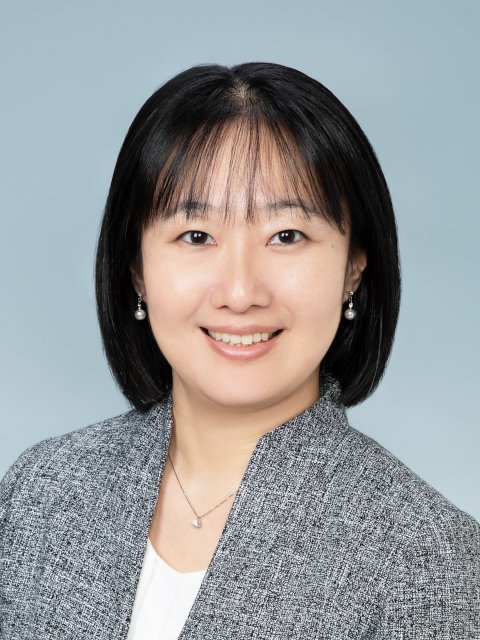
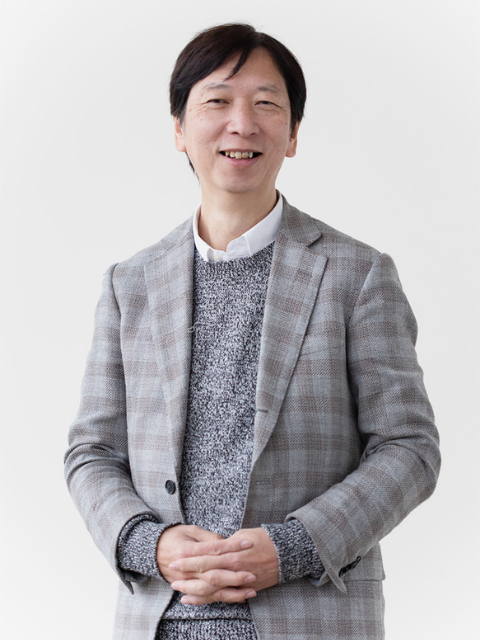
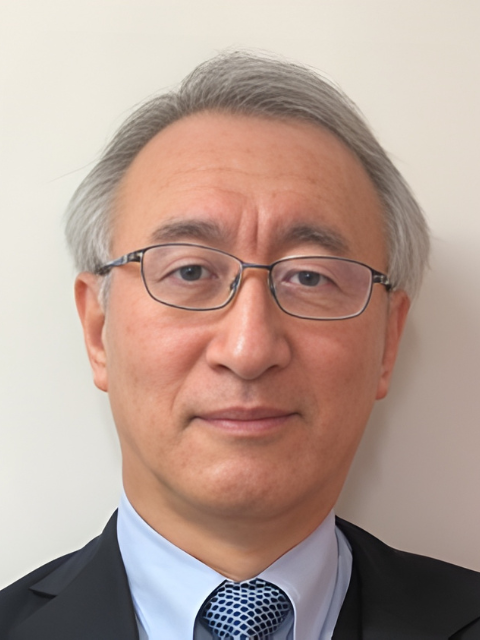
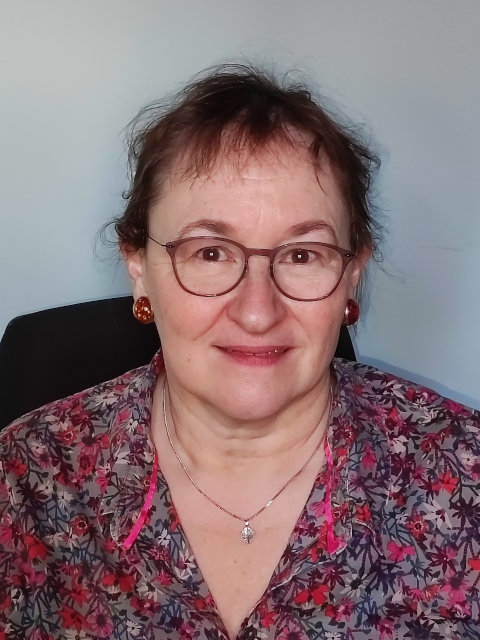
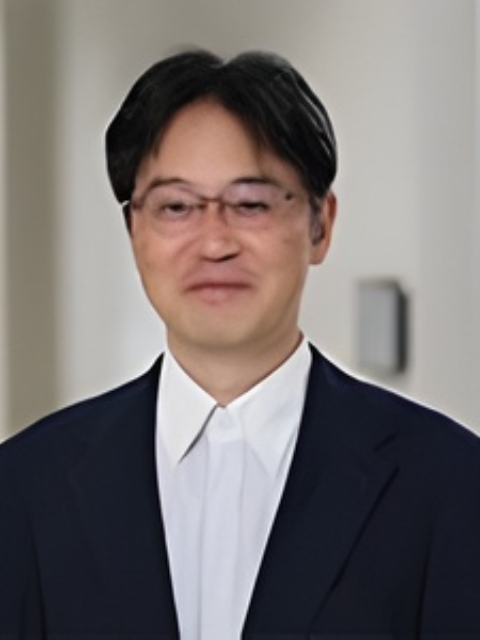
Mizuki Tada
Nagoya University, Japan
Prof. Mizuki Tada was received her Ph.D. at the department of chemistry, the University of Tokyo in 2005. She took up an assistant professor position at the University of Tokyo and moved to Institute for Molecular Science as an associate professor in 2008. She is a full professor of chemistry at Nagoya University since 2013. She worked at RIKEN as the team leader of element visualization team at SPring-8 during 2014-2019. Her research interests are the surface design of metal-complex catalysts, heterogeneous catalysis on oxygen storage materials, and operando XAFS-CT imaging of functional materials (heterogeneous catalysts, MOFs, and fuel cells).
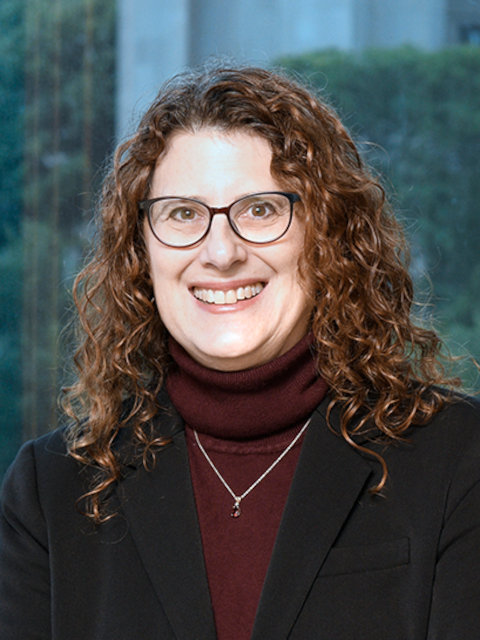
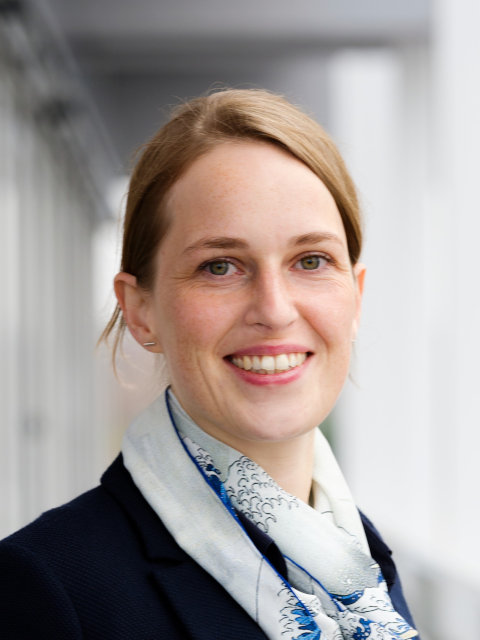
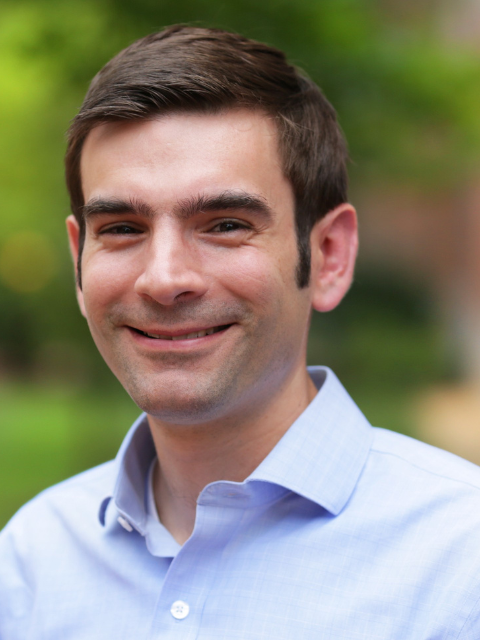
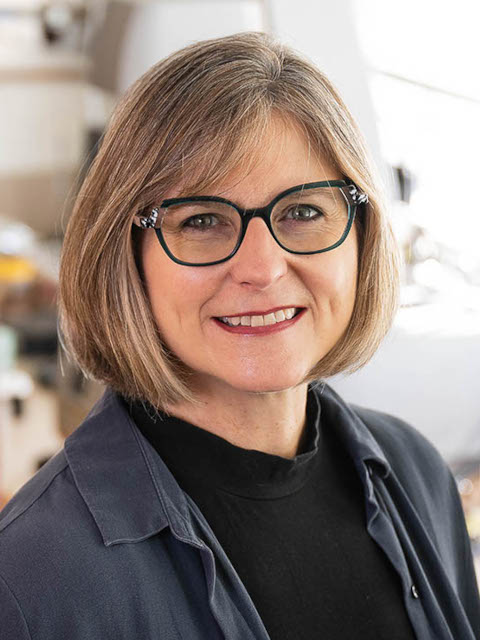
Amy C. Rosenzweig
Northwestern University, USA
Amy C. Rosenzweig is the Weinberg Family Distinguished Professor of Life Sciences at Northwestern University, where she holds joint appointments in the Departments of Molecular Biosciences and Chemistry. A pioneer in bioinorganic chemistry and structural biology, her research has elucidated the structure and molecular mechanisms of metalloenzymes, metal transport, and oxygen activation. A particular highlight are her studies of copper methane monooxygenase which catalyzes one of the central biological C1 reactions – methane oxidation to methanol. Her groundbreaking work has earned her numerous accolades, including election to the U.S. National Academy of Sciences and fellowships with the American Academy of Arts and Sciences and the American Association for the Advancement of Science. Professor Rosenzweig is a MacArthur Fellow and recipient of prestigious awards such as the Alfred Bader Award in Bioinorganic Chemistry, the Hans Neurath Award from The Protein Society, and the Royal Society of Chemistry’s Joseph Chatt Award. Professor Rosenzweig continues to shape the future of metalloprotein research and offer deep insights into the chemistry of life’s essential metal-mediated processes.
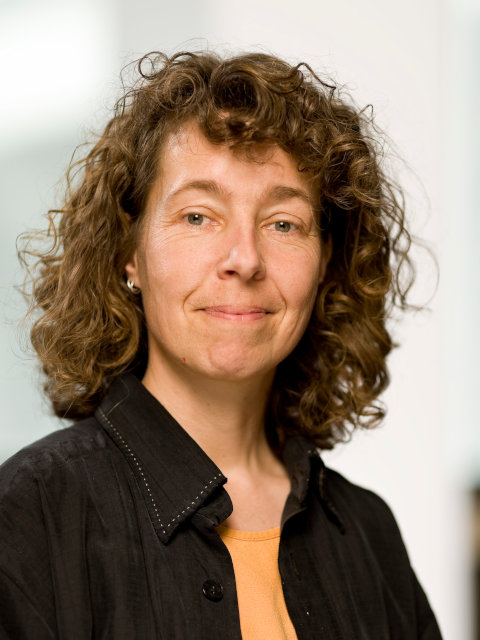
More details can be found here: https://molbiosci.northwestern.edu/people/core-faculty/amy-rosenzweig.html
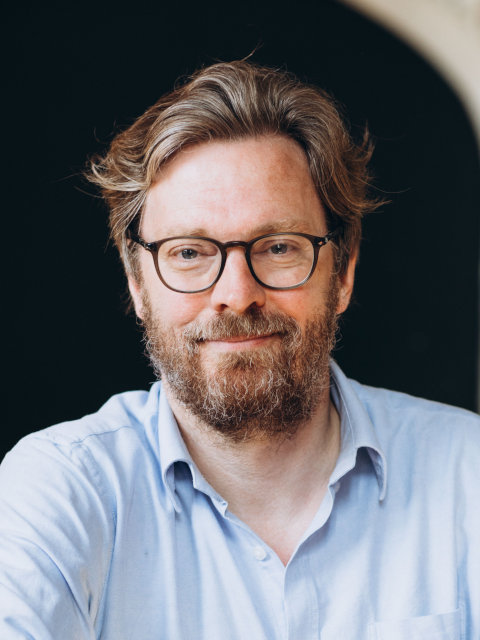
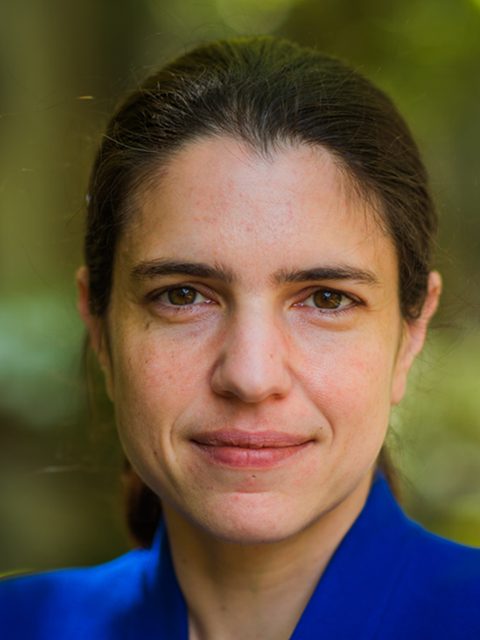
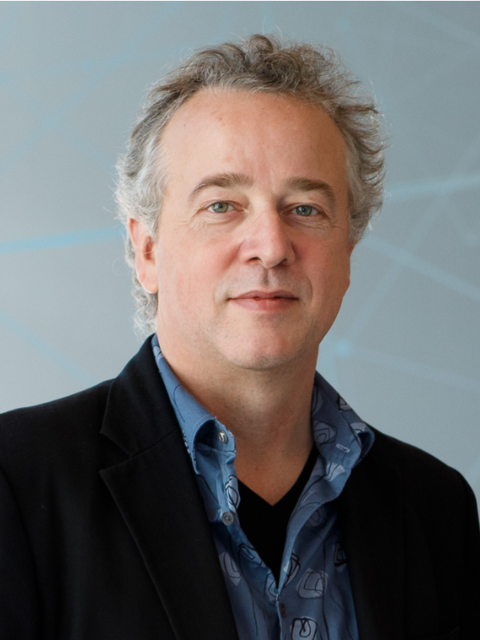
Erwin Reisner
University of Cambridge, United Kingdom
Erwin Reisner received his education and professional training in coordination and bioinorganic chemistry at the University of Vienna, Austria (PhD with Prof Bernhard K. Keppler, 2005), the Massachusetts Institute of Technology, MA, USA (postdoc with Prof Stephen J. Lippard, 2005-7) and the University of Oxford, UK (postdoc with Prof Fraser A. Armstrong, 2008-9). He joined the University of Cambridge, UK as a University Lecturer in the Department of Chemistry and as a Fellow of St. John’s College in 2010, was appointed to Reader in 2015 and his current positions of Professor of Energy and Sustainability in 2017. He is the recipient of an ERC Advanced Grant (UKRI funded) on semi-biological domino catalysis (2023-2028) and a Royal Academy of Engineering Chair in Emerging Technologies for tech-transfer of solar reforming (2024-2034). He has received several awards in recognition of his team’s scientific achievements, including the Hughes Medal by the Royal Society (2023) and the Tilden Prize by the Royal Society of Chemistry (2024). He is a member of the international advisory boards of Angewandte Chemie (German Chemical Society), Chemical Science (Royal Society of Chemistry) and Accounts of Chemical Research (American Chemical Society).
More details can be found here: https://www-reisner.ch.cam.ac.uk/erwin.html
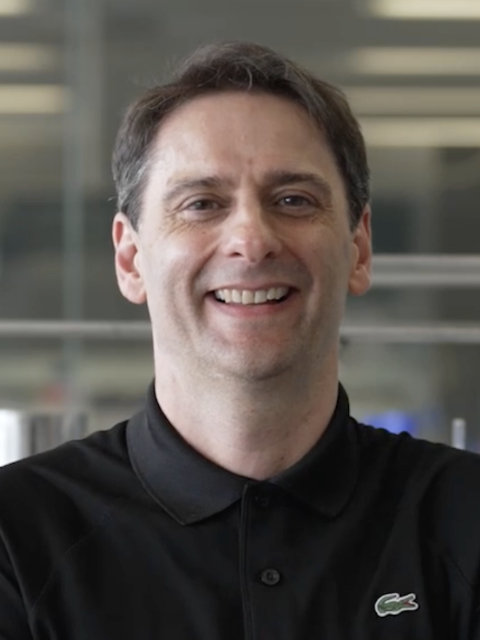
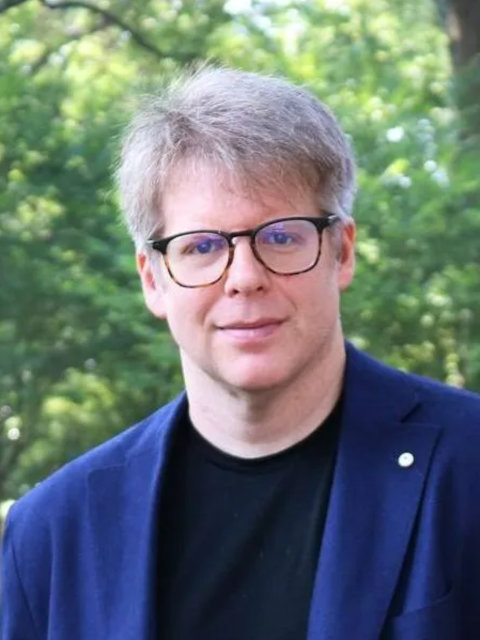
Paul Donnelly
The University of Melbourne, Australia
Professor Paul Donnelly is the Richard Robson Chair of Chemistry at the School of Chemistry and Bio21 Molecular Science and Biotechnology Institute. His research interests lie in fundamental inorganic chemistry and its application to medicine and biology. He has a particular interest in the design and synthesis of new metal-based imaging and therapeutic agents. Paul has co-authored over 200 research publications and is listed as inventor on over 18 patents, many of which have been licensed to companies. His research into metal-based compounds for imaging and therapy has stimulated several clinical trials that span cancer targeting copper and zirconium radiopharmaceuticals to potential therapeutics for Motor Neuron Disease, and Parkinson’s disease. Professor Donnelly has received several awards in recognition of his research including: the Burrows Award, the Rennie Medal, the Biota Award for Medicinal Chemistry and the Alan Sargeson Lectureship all from the Royal Australian Chemical Institute – as well as the David Syme Prize (best original research work in biology, physics, chemistry or geology in Australia), Grimwade Prize for Industrial Chemistry and the Dean’s Award for Research Excellence.
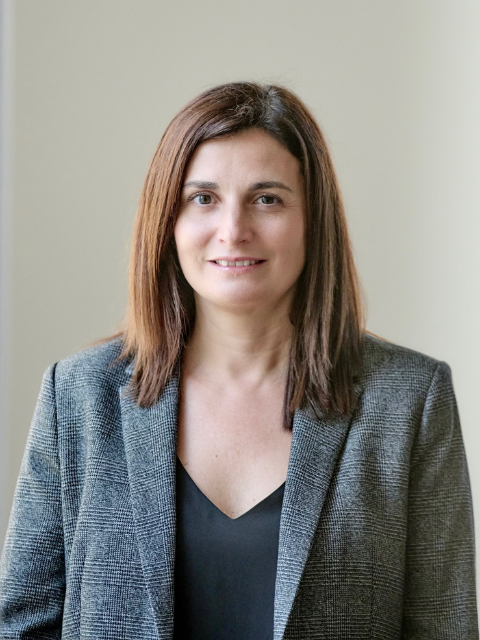
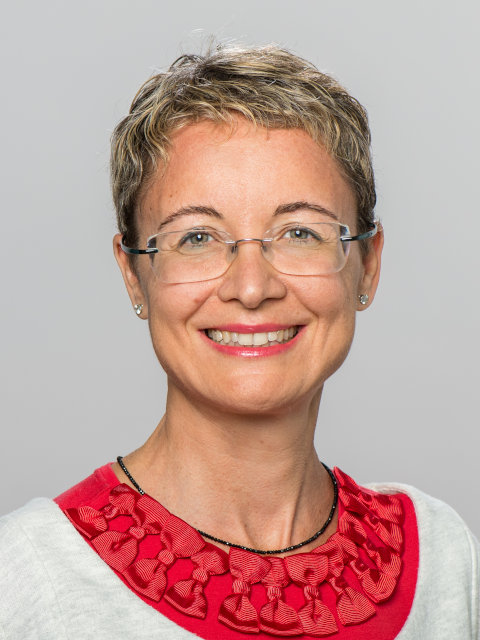
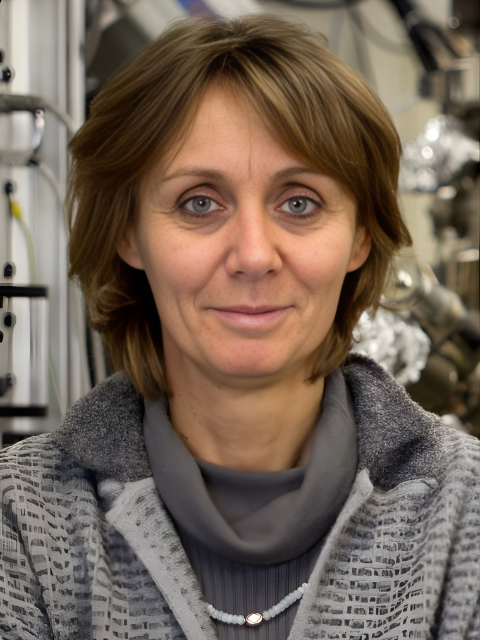
Marinella Mazzanti
Ecole polytechnique fédérale de Lausanne, Switzerland
Marinella Mazzanti was born in Vinci, Italy. She obtained a Master’s degree from the University of Pisa in 1985 after spending a year in Columbia University (NY). She obtained a PhD from the University of Lausanne (Switzerland) in 1990 in d-block chemistry with C. Floriani. After two post-doctoral stays at the Univeristy of California in Berkeley and Davis ( with A. Balch) in 1994 she was awarded a two years Marie-Curie fellowship to join the French National Laboratory, CEA. In 1996 she was hired as a research scientist and team leader at the CEA Grenoble where her research activities were centered on f element coordination and supramolecular chemistry. In September 2014 she joined the EPFL and founded the Group of Coordination Chemistry where she continued to develop the chemistry of f and d block metals with particular focus on redox reactivity, supramolecular chemistry and small molecule activation. She received the 2021 F. Albert Cotton Award in Synthetic Inorganic Chemistry and in 2023 the Le Coq de Boisbaudran Award for her “oustanding contribution to f-elements chemistry”. She has published more than 200 articles and is an associate editor for Chemical Communication. Her more recent work focuses on dinitrogen activation and stabilization of elusive oxidation states in f-element chemistry.
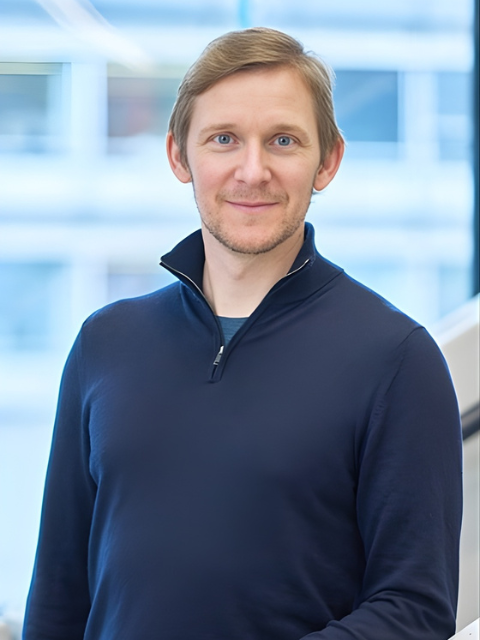
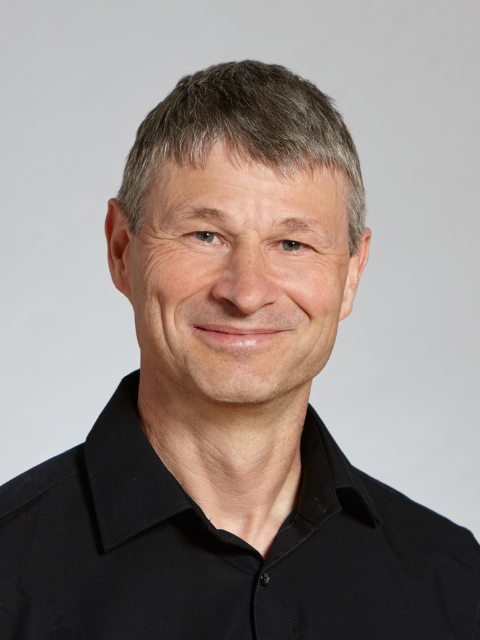
Frank Neese
Max-Planck-Institut für Kohlenforschung, Germany
Frank Neese received both his Diploma (Biology, 1993) and PH.D (Dr. rer. Nat., 1997) working with Peter Kroneck at the University of Konstanz. He performed Postdoctoral work at Stanford University with Edward Solomon (1997-1999) before returning to Konstanz for his Habilitation ( 2001). He joined the Max Planck Institute (MPI) for Bioinorganic Chemistry in 2001 as a group leader until accepting the position of Chair of Theoretical Chemistry at the University of Bonn (2006). In 2011, Neese was appointed Director of the MPI for Chemical Energy Conversion. In 2018, Neese relocated his activities to the MPI für Kohlenforschung as the successor of the late Walter Thiel. In 2010, Neese received the highest award of the German Science Foundation, the Gottfried Wilhelm Leibniz Award followed by numerous national and international awards including the Schrödinger medal of the World Association of Theoretically Oriented Chemists (2022) and the American Chemical Society Award in Inorganic Chemistry (2024). Neese is member of various national and international academies including the German National Academy of Sciences (Leopoldina, 2013) and the Academia Europaea (2018). Neese has authored >700 scientific publications and has been listed among the top 1% world-wide most highly cited chemists since 2015. His work focuses on the theory of magnetic spectroscopies (electron paramagnetic resonance, magnetic circular dichroism) and their experimental and theoretical application, local pair natural orbital correlation theories, multi-reference methods, electronic and geometric structure and reactivity of transition metal complexes and metalloenzymes. Neese is the lead author of the ORCA program, as well as co-founder of the company FAccTs (2017) that distributes ORCA commercially.
More details can be found here.
Keynote Speakers
Simon Aldridge
University of Oxford, United Kingdom
Polly Louise Arnold
University of California Berkeley, United States
Vincent Artero
University Grenoble Alpes, France
Suzanne C. Bart
Purdue University, United States
Guy Bertrand
University of California, United States
Theodore Betley
Harvard University, United States
Sally Brooker
University of Otago, New Zealand
Angela Casini
Technical University of Munich (TUM), Germany
George Christou
University of Florida, USA
Guido Clever
Technische Universität Dortmund, Germany
Matthew Cliffe
University of Nottingham, United Kingdom
Jacqui Cole
University of Cambridge, England
Christophe Copéret
ETH Zürich, Switzerland
Miguel Costas Salgueiro
University of Girona, Spain
Yong Cui
Shanghai Jiao Tong University, China
Serena DeBeer
Max Planck Institute for Chemical Energy Conversion, Germany
Abhishek Dey
Indian Association for the Cultivation of Science, India
Rasika Dias
The University of Texas at Arlington, USA
Mircea Dinca
Massachusetts Institute of Technology, United States
Carole Duboc
Université Grenoble Alpes, France
Svetlana V. Eliseeva
Centre de Biophysique Moléculaire, France
Guillermo Mínguez Espallargas
Universitat de València, Spain
Alison Fout
Texas A&M University, USA
Makoto Fujita
The University of Tokyo, Japan
Jose Goicoechea
Indiana University, USA
Katja Heinze
Eva Hevia
University of Bern, Switzerland
Jason Holland
University of Zurich, Switzerland
Gunnar Jeschke
ETH Zürich, Switzerland
Shabana Khan
Indian Institute of Science Education and Research, India
Takahiko Kojima
University of Tsukuba, Japan
Vera Krewald
Technische Universität Darmstadt, Germany
Henry S. La Pierre
Georgia Institute of Technology, United States
Steve Liddle
The University of Manchester, United Kingdom
Liu Leo Liu
Southern University of Science and Technology, China
Debabrata Maiti
Indian Institute of Technology, India
Jim McCusker
Michigan State University, USA
Franc Meyer
Georg-August-Universität Göttingen, Germany
Karsten Meyer
Friedrich-Alexander-Universität Erlangen-Nürnberg (FAU), Germany
Isabelle Michaud-Soret
CEA-Grenoble, France
Daniel J. Mindiola
University of Pennsylvania, United States
Eugenio Coronado Miralles
University of Valencia, Spain
Gabor Molnar
Laboratoire de Chimie de Coordination, France
Partha Sarathi Mukherjee
Indian Institute of Science, India
Jens Müller
Universität Münster, Germany
Dominik Munz
Saarland University. Germany
May Nyman
Oregon State University, USA
Shin-ichi Ohkoshi
The University of Tokyo, Japan
Unni Olsbye
University of Oslo, Norway
Tatjana N. Parac-Vogt
KU Leuven, Belgium
Dawid Pinkowicz
Uniwersytet Jagielloński, Poland
Annie K. Powell
Karlsruhe Institute of Technology (KIT), Germany
Mario Ruben
Karlsruhe Institute of Technology (KIT), Germany
Osamu Sato
Kyushu University, Japan
Laurel L. Schafer
The University of British Columbia, Canada
Roberta Sessoli
Università di Firenze, Italy
Hannah Shafaat
University of California, Los Angeles, USA
Natalia B. Shustova
University of South Carolina, United States
Berend Smit
Ecole Polytechnique Fédérale de Lausanne (EPFL), Switzerland
Licheng Sun
Westlake University, China
Marcel Swart
University of Girona, Spain
Éva Tóth
Centre de Biophysique Moléculaire, France
Alexandra Velian
University of Washington, USA
Birgit Weber
Friedrich Schiller University Jena, Germany
Julia Weinstein
The University of Sheffield, England
Philippe Wernet
Uppsala University, Sweden
Zhenfeng Xi
Peking University, China
Vivian W.W. Yam
The University of Hong Kong, China
Li-Min Zheng
Nanjing University, China